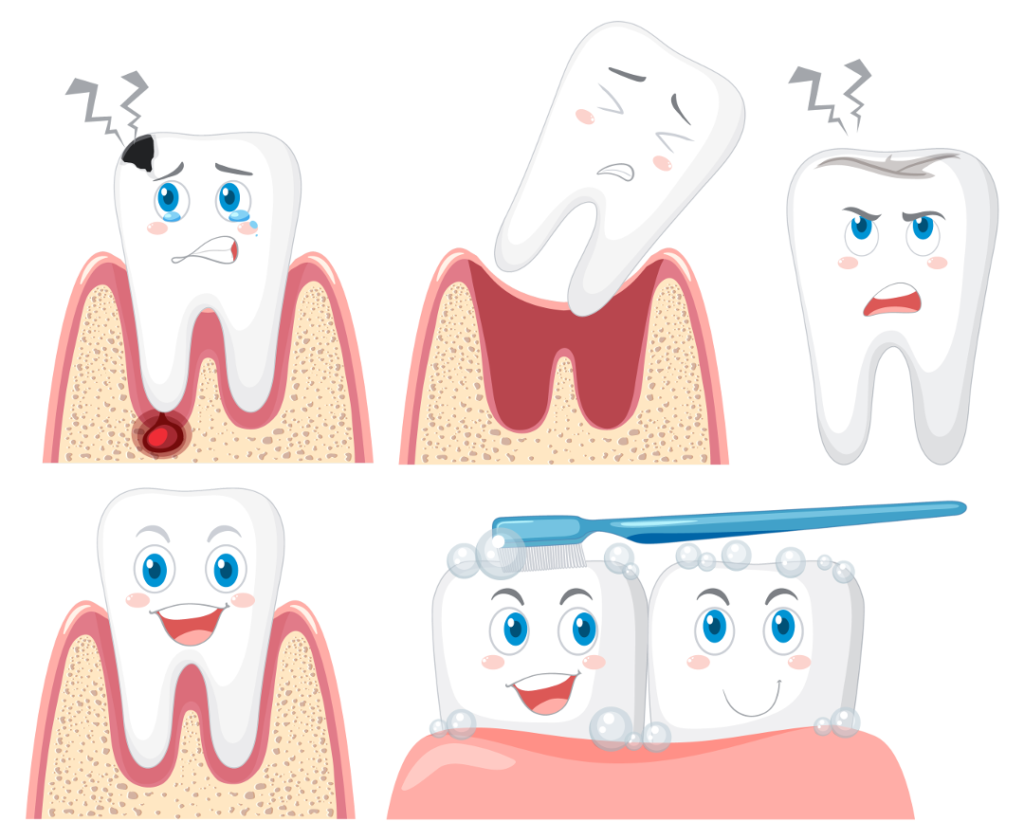
Understanding Gum Disease and How to Prevent It
Gum disease, or periodontal disease, is one of the most common oral health conditions—and one of the most preventable. It can range from mild gum inflammation to more serious infection that damages the bone supporting your teeth. In advanced cases, teeth can loosen or be lost entirely. The good news is that with consistent home care and regular dental visits, gum disease can almost always be prevented or managed effectively.
What Gum Disease Is
Gum disease is an infection of the tissues that support your teeth. It begins when plaque—a sticky film of bacteria—builds up along the gumline. If plaque isn’t removed, it hardens into tartar, which can’t be cleaned with brushing alone.
The earliest stage is gingivitis, where gums become red, swollen, and may bleed. Gingivitis is reversible, but if it’s not treated, it can progress to periodontitis, a more serious form of gum disease that affects the bone and deeper tissues around the teeth.
Common Symptoms
Gum disease often develops quietly, but there are signs to watch for:
- Red, swollen, or tender gums
- Bleeding when brushing or flossing
- Persistent bad breath
- Receding gums or teeth that look longer
- Loose or shifting teeth
If you notice any of these symptoms, it’s important to have your gums evaluated.
What Causes Gum Disease
Plaque is the primary cause, but several factors can increase your risk:
- Inconsistent brushing or flossing
- Smoking or chewing tobacco
- Hormonal changes during pregnancy, menopause, or menstruation
- Medical conditions such as diabetes or immune disorders
- Medications that reduce saliva flow
- Genetic predisposition
Understanding your risk helps you take steps to protect your gum health.
How to Prevent Gum Disease
Most gum disease can be prevented with simple, consistent habits.
Brush Twice a Day
Use a soft toothbrush and fluoride toothpaste. Angle the bristles toward the gumline and brush gently to remove plaque without irritating your gums.
Floss Every Day
Flossing removes plaque and food particles from areas your toothbrush can’t reach. Gentle, daily flossing is one of the most effective ways to prevent gum disease.
Use an Antibacterial Mouthwash
A mouthwash designed to reduce bacteria can help control plaque and support gum health. Your dentist can recommend one that fits your needs.
Keep Up with Dental Visits
Professional cleanings remove tartar and allow your dentist to catch early signs of gum disease before they become serious.
Quit Tobacco
Smoking and chewing tobacco significantly increase the risk of gum disease and slow healing. Quitting is one of the best things you can do for your oral health.
Maintain a Healthy Diet
A balanced diet supports your immune system and helps keep your gums healthy. Limiting sugary snacks and drinks reduces plaque buildup.
Manage Medical Conditions
If you have diabetes or another condition that affects your immune system, keeping it well‑controlled can reduce your risk of gum problems.
Protecting Your Smile
Gum disease can have a major impact on both your oral and overall health, but it’s also one of the most preventable dental conditions. With good daily habits and regular dental care, you can keep your gums healthy and your smile strong.
If you’re noticing symptoms or it’s been a while since your last check‑up, we’re here to help. Atlantic Coast Dentistry provides gentle, thorough care to keep your gums and teeth in excellent shape.