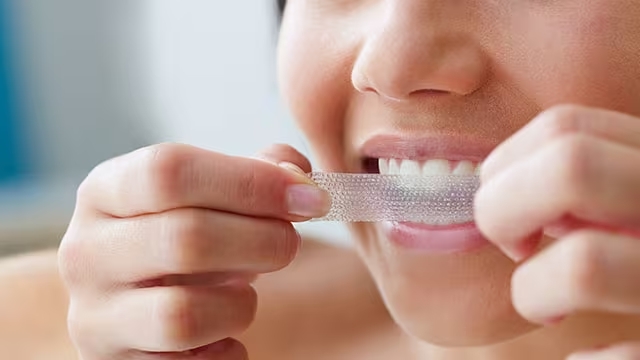
Why Over‑the‑Counter Teeth Whiteners Aren’t Always the Best Choice
Over‑the‑counter (OTC) whitening products can work for some people — especially those with mild surface stains or who want a simple way to maintain results after professional whitening. When used correctly, they can be a helpful supplement.
But for many patients, OTC whiteners come with limitations and risks that are easy to overlook. Understanding these drawbacks can help you choose the safest, most effective whitening option for your smile.
1. Higher Risk of Enamel Sensitivity and Irritation
Most OTC products use peroxide‑based gels. While these ingredients can brighten teeth, they can also irritate enamel and gums when:
- the gel is too strong
- the product is used too often
- trays or strips don’t fit properly
This can lead to temporary or lingering sensitivity, and in some cases, gum irritation.
2. Uneven or Unpredictable Results
Because OTC products aren’t customized to your teeth, whitening can happen unevenly. Areas with deeper stains, curved surfaces, or overlapping teeth may not lighten at the same rate, leaving patchy or inconsistent results.
3. Limited Strength for Deeper Stains
OTC whiteners use lower concentrations of whitening agents than professional treatments. They can help with mild discoloration, but they often struggle with:
- yellowing from age
- deeper internal stains
- tetracycline or fluorosis discoloration
- long‑term coffee, tea, or tobacco staining
These cases typically respond better to dentist‑supervised whitening.
4. No Professional Guidance
Without a dental exam, it’s easy to miss issues that whitening won’t fix — or could even worsen. Discoloration can sometimes be caused by:
- cavities
- gum disease
- enamel erosion
- failing restorations
Whitening over these problems can lead to discomfort or uneven results.
5. Whitening Doesn’t Work on Dental Restorations
OTC products cannot lighten:
- crowns
- veneers
- bridges
- tooth‑colored fillings
This can create a noticeable mismatch if whitening is done without planning.
OTC whitening can be useful in the right situations, but it’s not ideal for everyone. A quick dental evaluation can help you choose the safest, most predictable path to a brighter smile — whether that’s professional whitening, OTC maintenance, or a combination of both.