Root Canal Therapy in Deerfield Beach
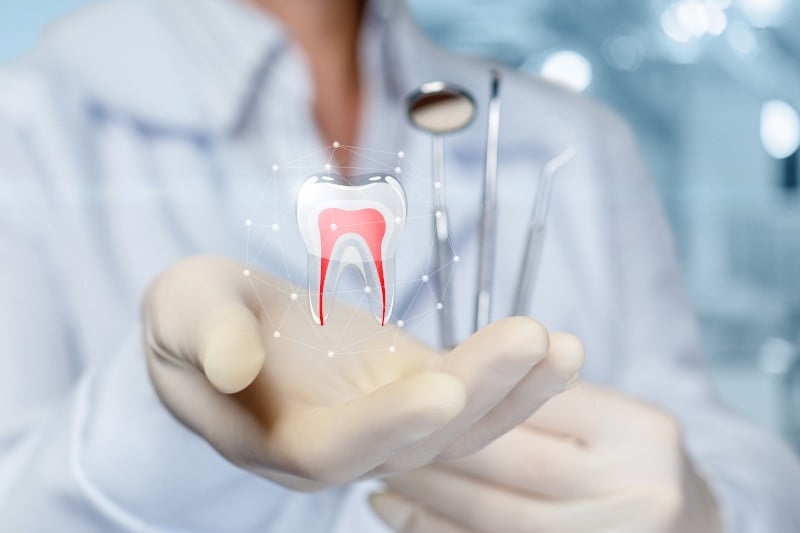
Root canal therapy is a routine procedure used to treat infection inside a tooth and relieve deep, persistent pain. The goal is simple: remove the source of the infection, clean the inside of the tooth, and preserve your natural tooth structure.
Why a Root Canal Is Needed
A root canal is recommended when the inner tissue of the tooth becomes infected or inflamed due to decay, cracks, trauma, or a failing restoration. Treating the infection early helps prevent pain, swelling, and the need for extraction.
How the Procedure Works
Root canal therapy is performed under local anesthesia, so the tooth is fully numb throughout the procedure.
- A small opening is made in the top of the tooth
- The infected or damaged tissue is gently removed
- The inside of the tooth is cleaned, shaped, and disinfected
- The space is filled with a biocompatible material to seal it
- A temporary filling is placed until the final crown is ready
Most teeth treated with a root canal will need a crown afterward to restore strength and long‑term function.
What to Expect After Treatment
It’s normal to experience mild sensitivity for a few days as the area heals. This typically improves quickly. Avoid chewing on the treated side until the permanent crown is placed, and keep the area clean with your normal brushing and flossing routine.
Follow‑up visits allow your dentist to monitor healing and ensure the tooth remains stable and comfortable.
A Reliable Way to Save Your Tooth
Root canal therapy is a predictable, effective way to stop infection, relieve pain, and preserve your natural tooth. If you’re experiencing tooth pain or have been told you may need a root canal, we’re here to guide you through the process with clarity and comfort.